Opinion. November 27, 2026.
The loudest idea in American soccer right now is that MLS promotion and relegation would finally make this a serious league. I’ll be blunt: it would wreck what is actually working.
The World Cup is over. MLS just put a league-record 45 players into that tournament, drew more than 11.2 million fans for a third straight regular season, and is still opening soccer stadiums. And some people looked at all of that and decided the next step is a trapdoor.
That take sounds worldly. It does not survive contact with how this league is built.
Here is the short version. These are the reasons MLS should leave the trapdoor shut:
- Expansion fees and soccer stadiums assume a permanent seat in the league.
- The single-entity salary budget has no trapdoor for a relegated club’s contracts.
- The map is a continent, not England.
- USL is already building its own promotion and relegation pyramid.
- The playoffs already create stakes.
Table of Contents
The entry fee is the product
MLS is a closed league. You don’t get in by finishing first somewhere else. You get in by buying a club and funding the infrastructure that keeps the league standing.
San Diego FC, the 30th team, paid a $500 million expansion fee to start play in 2025. Commissioner Don Garber said the next one would be more than that.
That is not a vanity number. It is the price of a permanent seat at the table. Owners are not writing those checks so a bad season can dump the club into a lower division and blow a hole in the stadium debt.
Garber has said the quiet part out loud. On The Late Run in April 2026, he said he “certainly” doesn’t need promotion and relegation, and that he would not want to be the person who lent money on a stadium project, only to watch the team drop into a different league and lose the revenue that pays the debt. A month later, speaking to Andrew Marchand, he said he can imagine it in some later generation of American soccer, but “not going to be when we are funding, with billions of dollars of debt, the foundation for soccer in America and Canada.”
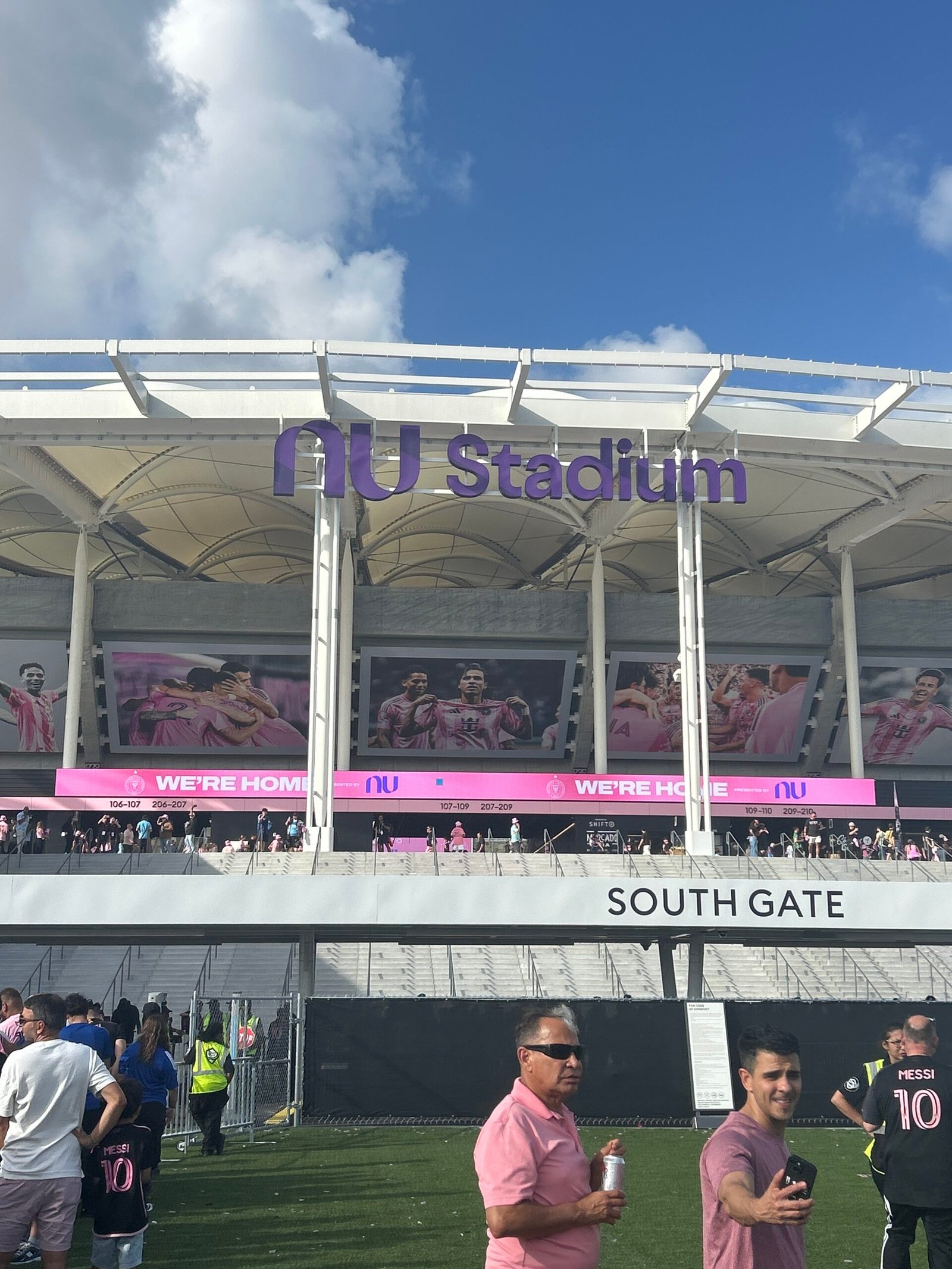
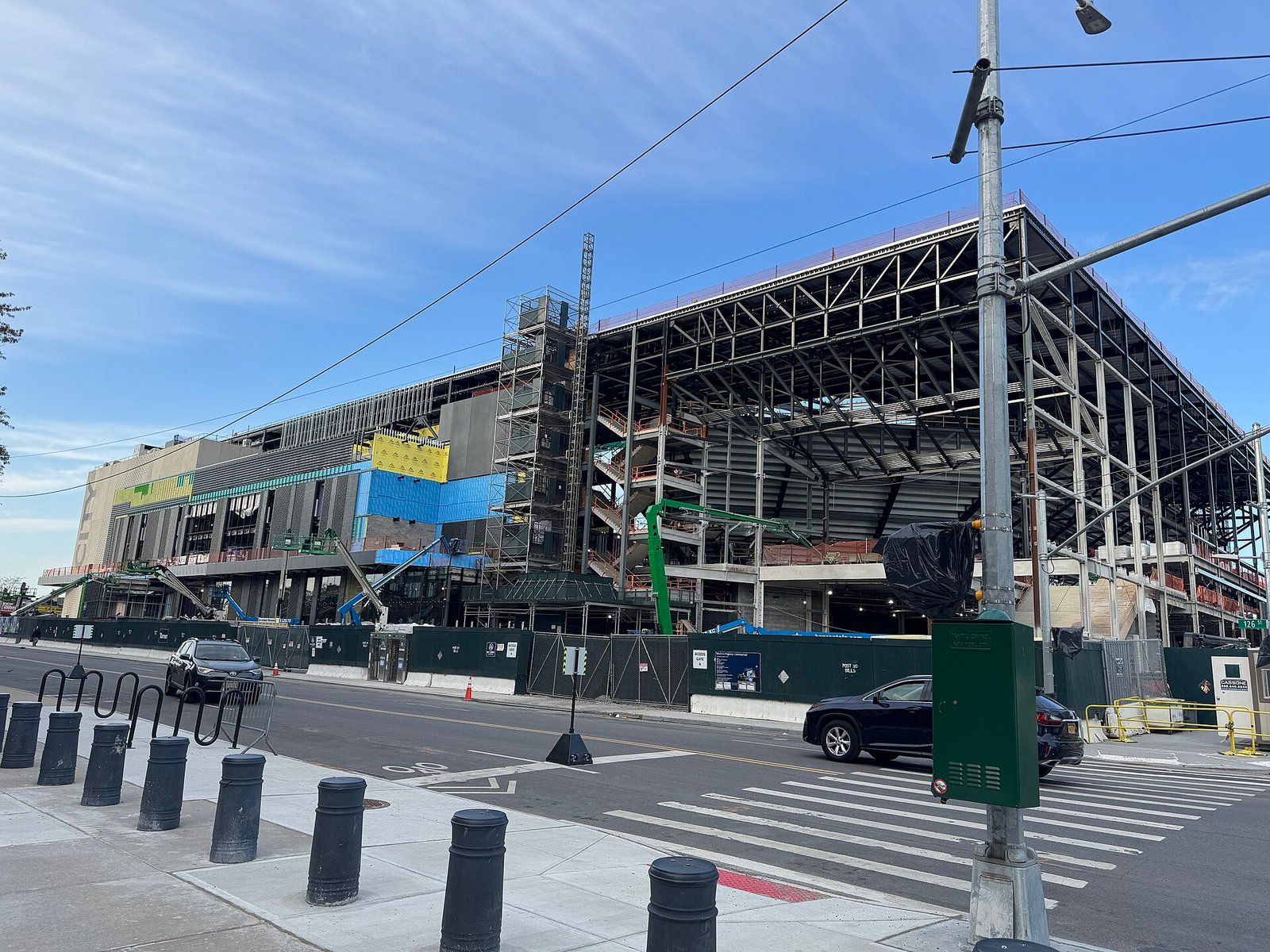
The buildings make the same case. MLS says it has opened 12 new soccer stadiums in the past 10 years. Inter Miami opened Nu Stadium in April 2026. NYCFC’s Etihad Park is due in 2027, and Chicago is slated for 2028.
When New York officials marked the Etihad Park groundbreaking, they described a $780 million, 25,000-seat soccer stadium. You do not put that kind of money into a building and then accept the risk that the tenant gets relegated.
A Sportico report in February 2026, cited on MLS’s own about page, put the average club value at $721 million, up 31 percent from 2021, with five clubs valued at more than $1 billion in 2025. That growth happened in a closed league. Wreck the certainty and you wreck the investment thesis.
The salary-budget system has no trapdoor
MLS is not a collection of independent clubs making it up as they go. The league’s official biography for its player-department head says the “single-entity structure of MLS centralizes all player contracts.” Clubs then operate under a shared set of roster rules.
In 2026, each club has a $6,425,000 salary budget for its senior roster, with a maximum budget charge of $803,125 for a single player. The Designated Player rule lets a club sign up to three players who cost more than that charge, with the club paying the rest. That is how a club can have a star and still fit a league-wide system. Our NYCFC salaries 2026 breakdown shows what that looks like on one roster.
Now imagine the trapdoor. A club with Designated Player contracts gets relegated and its revenue falls off a cliff, but the bills do not. A promoted club walks into MLS and has to be squeezed into a salary budget, allocation money and roster slots it did not spend years learning how to use. The rules that keep the league competitively balanced would be the first casualty.
You can want those rules loosened. Fine. That is a different argument. Don’t pretend MLS promotion and relegation slots neatly into a single-entity salary budget.
MLS promotion and relegation does not fit the map
People who want this are usually picturing England: tight geography, short trips, a pyramid that grew up in the same towns over a century. That picture does not match this league.
MLS is 30 clubs in 2026, from Vancouver to Miami and Montreal to San Diego, split into two conferences. Each club plays its conference opponents twice and only six different cross-conference opponents. The schedule is already built around a continent, not a country the size of a large U.S. state.
Drop a promoted club into that map, or send a relegated club into a national second division, and you are asking teams and fans to absorb travel that the current conference model is designed to limit. American sports did not copy the English pyramid for a reason. The NFL, NBA, MLB and NHL are closed leagues, and they do not lack for stakes. Garber has made that comparison himself: you don’t just want to be the American version of the global game.
USL is already building a pyramid. It isn’t MLS.
If the argument is that American soccer deserves promotion and relegation, here is the honest answer. It is already being built, and it is not being built inside MLS.
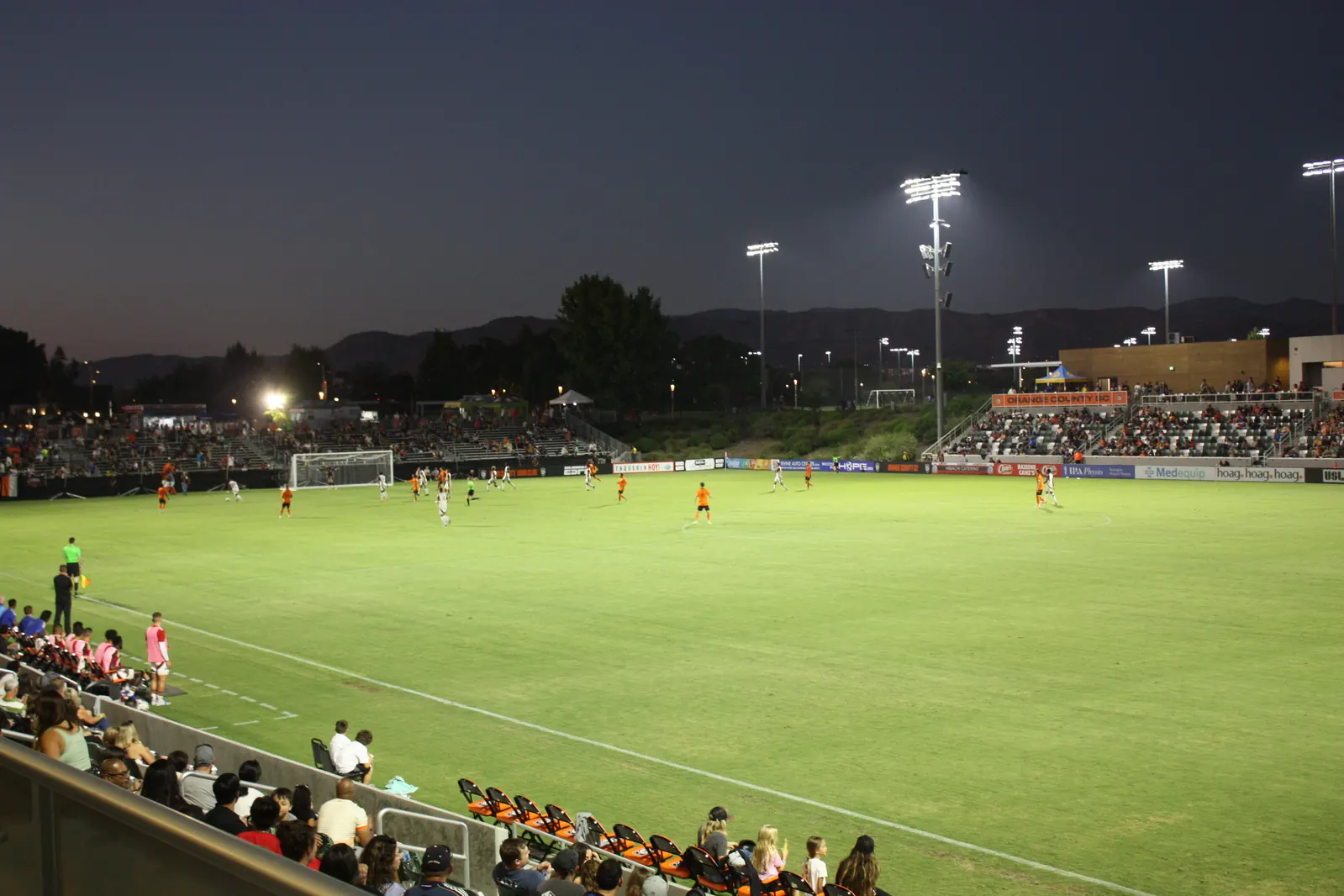
In March 2025, a supermajority of USL club owners voted to adopt promotion and relegation. In January 2026, the USL named its new Division One league USL Premier, said it is scheduled to launch in 2028, and said promotion and relegation would connect Premier, the Championship and League One. That is a separate system, with its own clubs, its own business model and, eventually, its own trapdoor.
That is the right place for the experiment. USL owners voted for it knowing the deal. MLS owners bought into a closed league and then spent on stadiums, academies and roster rules that assume they stay there.
Forcing those two systems together would not create a clean English-style pyramid. It would create a mess.
Garber has been clear that nobody should buy a lower-division club thinking it is a back door into MLS anytime soon. He is right.
The playoffs already punish you
The romance of the idea is that “every game matters.” I watch Decision Day. I watch Wild Card games. I watch a best-of-3 series where a home loss can put a favorite on the brink. Don’t tell me this league has no stakes.
In 2026, 18 of the 30 clubs reach the Audi MLS Cup Playoffs. That is a long, public test, and it is happening right now:
- The top nine teams in each conference qualify.
- Seeds 8 and 9 play a Wild Card.
- Round One is a best-of-3 series.
- MLS Cup is December 18.
Inter Miami had to go to Columbus for Game 2 of a Round One series after losing Game 1 at home. If you want tension, that is tension.
Next spring it gets tighter. The 2027 Sprint Season is 14 games, then single-elimination playoffs. Our Sprint Season explainer and MLS Explained page cover the format. In a season that short, you cannot coast for months, because there are no months to spare.
Could the regular season use more jeopardy at the bottom? Sure, and you can argue for a smaller playoff field or for the play-in that already exists. You do not need to vaporize a franchise to make a Thursday night in September feel important.
The expansion model is working
This is the part the “MLS isn’t real” crowd skips, so here are the numbers. They do not look like a league in crisis.
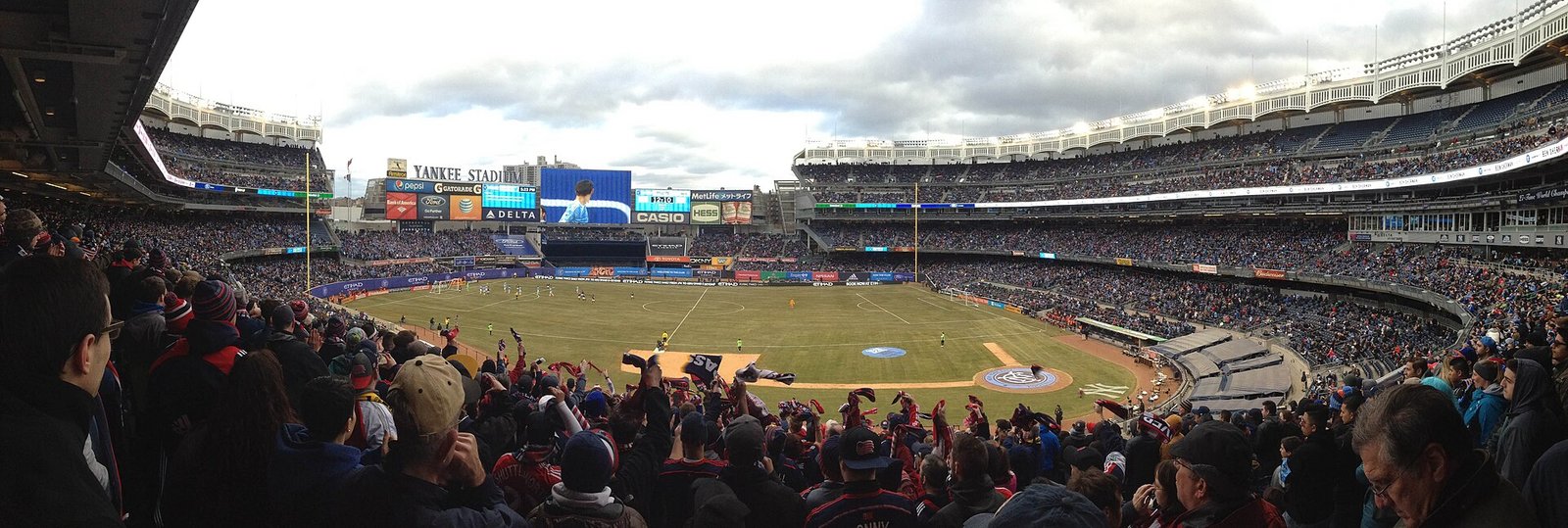
MLS started in 1996 with 10 teams after the United States hosted the 1994 World Cup. In 2026 it has 30. The league says it has opened 12 new soccer stadiums in the past 10 years, with more coming in New York and Chicago.
It drew 11,251,962 fans in the 2026 regular season, an average of 22,063 a match, and passed 11.2 million for a third straight year. It also reported an estimated 7.2 million gross live match viewers a week, up 93 percent from 2025. Inter Miami were at the center of the biggest crowds, which we covered when MLS announced those numbers.
After the World Cup, MLS said it had a league-record 45 players in the tournament, the most of any league in the Western Hemisphere. That is not a league in crisis. That is a league that just came through the biggest event in the sport and still filled stadiums in the months after the final.
If the closed model were failing, this would be a different column. It is not failing. It is compounding.
What the other side says
I want to be fair, because the other side is not stupid. Their best arguments are real, and they deserve a straight answer.
They say a closed league lets bad teams and checked-out owners drift through the bottom of the table. They say sporting merit should decide who belongs in the first division, not a checkbook. They say the rest of the soccer world uses a pyramid, USL is about to use one, and MLS looks protectionist by comparison. And they say that after a World Cup in North America, American fans should expect the “real” version of the sport.
Here is why I still disagree, starting with the idea that a closed league has no accountability. It already has consequences.
First, a bad MLS season already has consequences: you miss the playoffs, you lose your seed, you change coaches, you sell fewer tickets, you answer to your supporters. NYCFC missed the playoffs in 2026 and parted ways with its coach a day after the regular season ended. That is accountability. It is not the same as losing the league, and it shouldn’t be, given what these clubs cost to build.
Second, sporting merit and a closed league are not opposites. The championship is already decided on the field, through a regular season and a playoff. Promotion and relegation is one way to assign membership. It is not the only honest way.
Third, “the rest of the world does it” is not a business plan. The rest of the world also produces clubs that spend their way toward the top flight and then collapse when the money does not appear.
Portsmouth became the first Premier League club to enter administration, in February 2010, and was deducted nine points on the way to relegation. Derby County, then in the Championship, entered administration in September 2021 and was deducted 12 points. Those are not obscure cautionary tales. They are what happens when revenues are allowed to fall off a cliff and the wage bill does not.
I am not interested in importing that risk so we can feel more European. That is a bad trade.
Fourth, if you want a pyramid in the United States, USL has already voted to build one. You can have that experiment without putting Nu Stadium, Etihad Park and a $500 million expansion fee on a trapdoor.
That is the case against MLS promotion and relegation. I want MLS to be better. Better is a tighter race, more packed stadiums, better rosters and a calendar that lines up with the rest of the world in 2027. Better is not a romantic import that treats a half-billion-dollar expansion fee like a round of pub trivia.
Leave the trapdoor shut. MLS does not need this experiment.
FAQ
Does MLS have promotion and relegation?
No. MLS is a closed league of 30 clubs in 2026. Clubs enter by expansion, not by finishing at the top of a lower division.
Why do some fans want MLS promotion and relegation?
They want more matches with consequences, and they want first-division membership decided by results rather than by an expansion fee. Those are fair instincts. They do not require blowing up a league that already uses Decision Day, a Wild Card and a long playoff to create stakes.
Is USL adding promotion and relegation?
Yes, inside USL’s own system. USL owners voted in 2025 to adopt it, and the league has said its new Division One league, USL Premier, is scheduled to launch in 2028, with promotion and relegation connecting Premier, the Championship and League One. That plan does not move clubs in or out of MLS.
Would MLS promotion and relegation make every game matter?
It would change the meaning of the bottom of the table. It would also put stadium investments and roster rules under a kind of stress this league was not built for. The playoffs, and the short 2027 Sprint Season, already make a lot of games matter without that risk.
Did Commissioner Don Garber rule it out forever?
No. Garber has said he no longer says “never,” and that he can imagine it in some future generation. He has also said it is not happening soon, that MLS does not need it, and that he would not want stadium debt sitting under a club that suddenly drops into a different league.
Get The Kickoff every Thursday: schedule changes, ticket on-sale dates and matchday tips. Sign up.
Sources
- MLS, “About Major League Soccer”: 30 clubs in 2026; founded 1996 with 10 teams after the 1994 World Cup; 12 new soccer stadiums in the past 10 years; Nu Stadium opened April 2026, with New York City in 2027 and Chicago in 2028; Sportico valuations cited by MLS (February 2026 average of $721 million, up 31% from 2021; five clubs above $1 billion in 2025); league-record 45 MLS players at the 2026 World Cup. https://www.mlssoccer.com/news/about-major-league-soccer-x4174
- MLS, 2026 regular-season attendance and viewership (Nov. 11, 2026): 11,251,962 fans, 22,063 per match, third straight year above 11.2 million; estimated 7.2 million gross live match viewers per week, up 93% from 2025. https://www.mlssoccer.com/news/historic-attendance-surging-viewership-and-record-digital-engagement-highlight-2026-mls-regular-season
- MLS, 2026 Roster Rules and Regulations (as of Feb. 3, 2026): $6,425,000 salary budget; $803,125 maximum salary budget charge; up to three Designated Players, with the club paying amounts above the budget charge. https://www.mlssoccer.com/news/2026-mls-roster-rules-and-regulations
- MLS, official biography of J. Todd Durbin: “The single-entity structure of MLS centralizes all player contracts.” https://www.mlssoccer.com/news/j-todd-durbin
- MLS, Garber 2024 All-Star media availability quote sheet: “San Diego paid an expansion fee of 500 million.” Garber: “It’ll be more than 500 million.” https://www.mlssoccer.com/news/mls-commissioner-don-garber-2024-mls-all-star-game-media-availability-quote-sheet
- MLS, Audi 2026 MLS Cup Playoffs format: 18 teams (top nine in each conference); Wild Card for seeds 8 and 9; Round One best-of-3; MLS Cup on Dec. 18. https://www.mlssoccer.com/playoffs/2025/news/audi-2026-mls-cup-playoffs-format-how-it-works
- Sports Business Journal (April 3, 2026), quoting Garber on The Late Run (April 2, 2026): he no longer says “never”; “that ain’t happening anytime soon”; “We certainly don’t need it,” plus the stadium-debt warning. https://www.sportsbusinessjournal.com/Articles/2026/04/03/garber-warms-to-prorel-in-mls-but-says-it-is-not-imminent/
- Sports Illustrated (May 2, 2026), quoting Garber to Andrew Marchand: he can imagine promotion and relegation in a later generation, “not going to be when we are funding, with billions of dollars of debt, the foundation for soccer in America and Canada.” https://www.si.com/soccer/will-mls-use-relegation-promotion-mls-commissioner-addresses-idea
- USL (March 19, 2025): a supermajority of club owners voted to implement promotion and relegation. https://www.uslchampionship.com/news_article/show/1334700
- USL (Jan. 27, 2026): USL Premier named as Division One league, scheduled to launch in 2028, with promotion and relegation connecting Premier, the Championship and League One. https://www.uslsoccer.com/news_article/show/1354227
- NYC Mayor’s Office (Dec. 2024), Etihad Park groundbreaking: officials described a $780 million, 25,000-seat stadium. https://www.nyc.gov/mayors-office/news/2024/12/mayor-adams-councilmember-moya-new-york-city-football-club-break-ground-new-soccer-stadium
- BBC Sport (Feb. 26, 2010): Portsmouth entered administration, became the first Premier League club to do so, and was deducted nine points. http://news.bbc.co.uk/sport2/hi/football/teams/p/portsmouth/8571990.stm
- English Football League (Sept. 22, 2021): Derby County entered administration and received a 12-point deduction. See also BBC Sport. https://www.efl.com/news/2021/september/efl-statement-derby-county2/
- NYCFC missed the 2026 playoffs and parted ways with head coach Pascal Jansen on Nov. 8, 2026, as previously covered on FutbolKicks: https://futbolkicks.com/nycfc-jansen-fired-who-is-next-coach-2027/